How Massage Therapy Can Help You Manage Chronic Pain
You’re not looking to become a “pain patient.” You want fewer pain-driven decisions in your life—more standing, walking, and enjoying activities without fearing the next day’s consequences.
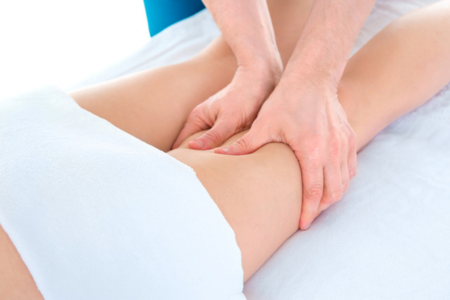
You’ve tried the basics: rest, heat, stretching, over-the-counter remedies, and exercise plans. Yet, the pain persists. You’re ready to explore a hands-on approach without guessing what might work. Massage therapy fits best when pain is part of a musculoskeletal pattern—back, neck, shoulders, hips, or legs—where tenderness, stiffness, and guarded movement often appear together. The strongest evidence supports its use for musculoskeletal pain populations.
If your goal is pain reduction along with better day-to-day coping—like improved sleep, mood, or stress—massage has been studied for these outcomes too. Systematic reviews track these changes, showing that pain is a complex experience affecting physical, social, mental, emotional, and spiritual well-being.
Is Massage Therapy a Practical Fit for Your Routine?
Massage requires a time commitment. You trade a set appointment for the potential of measurable pain relief, without adding a daily routine at home. Research trials have used a wide range of session lengths and frequencies—from a single 1.5-minute session to 40-60 minute sessions, sometimes daily for up to 20 weeks. Choose a plan you can realistically repeat without disrupting your schedule.
If you already spend money on recurring care—like chiropractic visits, physical therapy, acupuncture, injections, or frequent doctor appointments—massage is easiest to evaluate when treated as a defined trial.
Compare it to other active treatments rather than adding it indefinitely. Keep in mind that higher-certainty evidence showing massage outperforming other therapies is rare. A recent evidence map from 2018 to 2023 found few cases where massage clearly outperformed other active care options.
What Changes Can You Expect, and How Significant Are They?
Pain intensity decreases in musculoskeletal pain trials. Across studies, massage reduced pain more than sham treatments and more than no treatment at all. The effect translates to about 11 points on a 0-100 pain scale when compared to sham treatments and about 29 points when compared to no treatment.
The reduction is smaller when massage is compared to other active treatments—about 7 points on a 0-100 scale at the end of treatment. This helps set realistic expectations if you’re choosing between massage and another active therapy rather than comparing it to doing nothing.
Anxiety also improved in pooled musculoskeletal pain studies when compared to active treatments like relaxation exercises or physical therapy. Health-related quality of life showed modest improvements as well.
Certainty varies by condition. The same evidence map found no high-certainty conclusions for massage in painful adult conditions. Some findings were moderate-certainty, mainly supporting pain relief, but most were low or very low certainty.
What Happens When You Start Massage Therapy, and How Long Do Effects Last?
Most measured effects in the research are reported at the end of the treatment course, not after a single session. For musculoskeletal pain, the best-supported expectation is a measurable drop in pain by the end of the treatment plan, with the largest reduction occurring when massage is compared to no treatment.
When massage is compared to other active care, a pooled 6-month follow-up from three studies favored the active comparator. This matters if you’re deciding between massage and options like physical therapy or exercise-based care.
Common short-term side effects reported in trials include soreness or temporary increased pain. Serious adverse events were rare in the reviewed studies, though most reported only minor and infrequent issues like increased soreness or muscle stiffness.
Why Massage Therapy Affects Chronic Pain—and Why Results Vary
Research treats pain as multidimensional. Pain levels, activity limitations, sleep, fatigue, mood, anxiety, stress, and quality of life can all shift together. Improvement isn’t just about one sore spot feeling better—it’s about how these factors interact.
Massage isn’t a one-size-fits-all intervention in the evidence. Studies vary by technique (myofascial approaches, Swedish massage, deep tissue), pressure, areas treated, number of sessions, and setting. This variation is one reason outcomes differ across studies.
Sham comparisons are complicated because even light touch can produce effects. The clearest contrast for decision-making is often massage versus no treatment, where the pooled pain reduction is largest. However, studies note that sham or placebo treatments may not be truly inactive, making it difficult to isolate massage’s specific benefits.
How to Measure Whether Massage Therapy Is Working for You
Track pain on a repeatable number scale, like 0-10 or 0-100. A practical target from the research is a 10-30 point reduction on a 0-100 scale by the end of treatment, depending on what you’re comparing it to.
Track function in plain terms: minutes you can walk or stand, number of nighttime wake-ups, or days per week you avoid activities because of pain.
Monitor tenderness and flare-ups. Note how long soreness lasts after each session and whether the next-day penalty shrinks over time. Minor soreness or increased pain is a known side effect in the research, so it shouldn’t be mistaken for failure.
If anxiety is part of your pain experience, track it separately with a 0-10 rating. Anxiety showed improvement in musculoskeletal pain studies when compared to active treatments.
What Conditions Make Massage Therapy Most Effective for You?
Dose matters. The evidence includes everything from a single 1.5-minute session to 40-60 minute sessions for up to 20 weeks. Research hasn’t established one ideal schedule for all chronic pain conditions, so flexibility is key.
Details like technique and session specifics matter but are often underreported. Many studies describe the technique and location, but fewer report time per area or the intended response. This makes it hard to replicate the most effective version without a clear plan.
Safety and tolerance are important. Mild effects like soreness or increased discomfort are common. Your plan should include how you’ll manage these—timing, hydration adjustments, or activity modifications after sessions. A normal reaction shouldn’t be mistaken for a setback.
How to Decide If Massage Therapy Is the Right Choice for You
If your baseline is doing nothing new, massage has strong evidence for pain reduction in musculoskeletal pain populations—about 29 points on a 0-100 scale at the end of treatment.
If your real choice is between massage and another active treatment, expect smaller average pain differences—about 7 points at the end of treatment. A pooled 6-month follow-up favored the active comparator in limited data, so consider long-term goals if function is your priority.
A fair trial means choosing a defined treatment course you can actually attend. Measure pain and function at the end of that course and compare changes to the study-sized benchmarks, not just hope or willpower.
Continue with massage if your tracked pain score and daily function improve in a meaningful way. Switch approaches if your main goal is long-term function and another active therapy has stronger evidence for your specific condition.