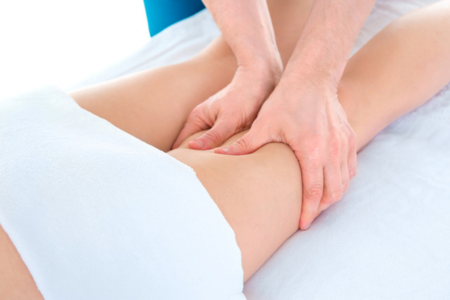
How Massage Can Help with Persistent Neck, Back, or Shoulder Pain
If you’ve been dealing with neck, back, or shoulder pain for weeks or months—enough to notice it daily but not severe enough to stop you—this kind of discomfort often starts small.
Maybe it began after a long drive, a night of poor sleep, or a minor strain, and it lingers longer than expected, even after rest or over-the-counter pain relievers.
It’s the kind of pain that makes you adjust your posture, avoid certain movements, or hesitate before reaching for something on a high shelf—small accommodations that add up over time.
You may not call it “chronic,” but if it’s been present for at least 4–12 weeks and hasn’t fully gone away with basic self-care, it fits the pattern where massage has been studied and shown measurable relief.
Research on massage for neck and shoulder pain specifically targets this stage of discomfort, not just severe or acute pain.
The pain you’re experiencing is moderate enough to interfere with your day—making it harder to focus at work, sleep comfortably, or move freely—but not so severe that it requires emergency care or prescription medication.
This is the window where massage has been tested and found to offer some relief.
For example, many headaches originate from tight muscles at the base of the skull, which may affect nearby blood vessels and nerves, triggering pain that can sometimes feel like a migraine. Targeted massage techniques can help address this tension.
How Massage Fits Into Your Current Pain Management Routine
Massage for this kind of pain typically involves 60-minute sessions, often scheduled once or twice a week for about 4–6 weeks—similar to how you might schedule physical therapy or a regular chiropractic visit.
It doesn’t require daily practice, special equipment, or a long-term commitment upfront; you can start with a short trial (e.g., 4–6 sessions) to see if it helps before deciding to continue.
The cost is comparable to other non-drug treatments you may already be using, like physical therapy or acupuncture, and can be spaced out over time to fit your budget.
Unlike exercise or stretching routines, which require consistent daily effort, massage is a passive treatment—you receive it, rather than having to do it yourself.
This makes it easier to fit into a busy schedule, especially if you’re already juggling work, family, and other responsibilities. You show up, lie down, and let someone else do the work while you rest.
What the Research Says About Massage for Pain Relief
In studies of adults with subacute or chronic neck and shoulder pain, massage reduced pain scores by an average of 1.5–1.8 points on a 10-point scale after 4–6 weeks of treatment—enough to notice a difference in daily comfort but not a complete elimination of pain.
The most consistent improvements were seen in immediate pain relief after each session, with some studies showing short-term benefits lasting up to 2 weeks for shoulder pain, though not for neck pain.
Massage works by manually manipulating soft tissues, which may improve local blood flow, increase muscle flexibility, and help clear inflammatory substances from the area. Studies show that it provides immediate pain relief when compared to no treatment or placebo, but the benefit is modest and short-lived.
The relief is most noticeable when sessions are frequent (e.g., 8–10 sessions over 4–6 weeks) and use moderate to deep pressure, rather than light or superficial touch.
What You Can Expect in the First Few Weeks of Massage
Early changes may include a temporary reduction in pain after each session, often described as a “loosening” or “easing” of tension in the neck, shoulders, or upper back.
By the 4th or 5th session, many people report a more consistent reduction in pain—enough to make daily activities like driving, working at a desk, or sleeping feel less strained.
The effect tends to plateau after about 6–8 sessions, with further improvements being minimal unless you continue with maintenance sessions (e.g., once every 2–4 weeks).
If you stop after the initial 4–6 weeks, the pain relief may fade within a few weeks, especially if the underlying causes (e.g., poor posture, repetitive strain) aren’t addressed.
Massage sessions in research studies typically lasted between ten and forty-five minutes, with most people receiving around seven sessions over several weeks. This frequency and duration are what’s needed to see measurable relief.
This means you’ll need to decide whether the relief you get is worth the ongoing time and cost. Some people find that regular sessions help them manage their pain well enough to stay active and comfortable, while others prefer to invest that time and money into other treatments.
How Massage Works—and What It Doesn’t Fix
Massage targets the soft tissues (muscles, fascia, tendons) to reduce tension, break up adhesions, and temporarily improve circulation, which can lower pain signals in the short term.
Techniques used in studies included traditional Chinese massage, Swedish massage, trigger point therapy, and myofascial release, all of which involve sustained manual pressure on muscles.
Shoulder massage therapy, for example, focuses on normalizing the rotator cuff muscles and other stabilizers to restore balance in the shoulder area.
However, massage does not address structural issues like joint misalignment, nerve compression, or muscle weakness, so if your pain is due to these factors alone, massage may not provide lasting relief.
Because the changes are gradual and often subtle, it’s helpful to track specific, measurable outcomes—like how long you can sit at your desk without discomfort, whether you can sleep through the night without waking from pain, or how easily you can turn your head to check blind spots while driving.
If you don’t notice any change in these kinds of daily activities after 4–6 sessions, it’s unlikely that continuing will produce a meaningful difference.
Tracking these details helps you make a clear-eyed assessment of whether massage is helping or not. Without this kind of tracking evidence does not support massage as effective for improving shoulder range of motion or functional ability in daily tasks, so managing expectations is key.
Why Massage Should Be Part of Your Pain Management Plan—Not the Whole Solution
The research shows that massage is most effective when combined with other treatments, such as stretching, strengthening exercises, or posture correction, rather than used alone.
If your pain is related to poor posture (e.g., forward head position, rounded shoulders), massage can temporarily relieve tension, but you’ll need to address the posture habits to prevent the pain from returning.
Deep or sustained pressure is more effective than light touch, so you’ll need to communicate your comfort level with the therapist to ensure the pressure is sufficient without being painful.
If you have certain conditions—like severe osteoporosis, blood clotting disorders—or recent surgery, massage may not be safe or appropriate, and you should consult your doctor first.
This means you’ll need to be clear with your therapist about what you’re trying to address and what other treatments you’re using. Massage works best as one piece of a larger plan, not as the whole solution.
What It Takes to See Real Results from Massage
Studies showing the most consistent pain relief used protocols of 30-minute sessions scheduled 1–2 times per week for a minimum of 4–6 weeks (e.g., 8–10 sessions total). If you stop after just 2–3 sessions, you’re unlikely to see meaningful or lasting changes, as the effects build gradually over time. To maintain the benefits, you’ll need to continue with occasional sessions (e.g., once every 2–4 weeks) or combine massage with other self-care strategies like stretching or posture exercises.
If you’re not willing or able to commit to this frequency and duration, the relief you experience may be minimal and short-lived. This is where the cost and time commitment become real. You’ll need to decide upfront whether you can afford and sustain this schedule, or whether your resources would be better spent on other treatments.
What You Can Realistically Expect from Massage for Neck, Back, or Shoulder Pain
If you commit to 8–10 sessions of massage over 4–6 weeks using moderate to deep pressure techniques, you’ll likely experience a 30–50% reduction in pain scores—enough notice a difference in daily comfort but not a complete elimination of pain.
The relief is most noticeable for neck and shoulder pain immediately after each session, though the effects tend to fade within a few weeks if you stop treatment.
Ongoing maintenance sessions or complementary strategies (e.g., exercise, posture correction) are needed to sustain the benefits.
If you don’t notice any measurable change in your daily activities (e.g., sleeping, driving, working at a desk) after 4–6 sessions, it’s unlikely that continuing will produce meaningful relief. This is what the evidence shows. You can use this information to decide whether massage fits your needs, budget, and expectations for relief.