How Massage Can Provide Short-Term Relief for Your Low-Back Pain
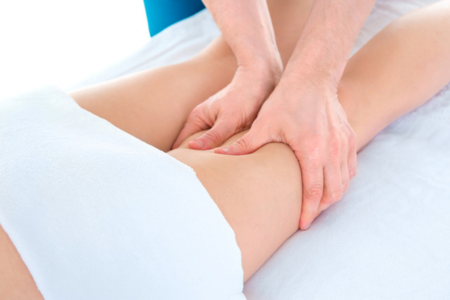
When you press into tight muscles along your lower back, you can feel the tension release under your fingers. Massage works on that same principle, applying pressure to reduce muscle tightness and improve blood flow to the area. Research shows massage can reduce muscle tension and improve circulation, providing short-term pain relief.
The evidence points to a window of benefit. Most studies find that massage helps during the first few weeks when you pair it with exercises your physical therapist assigns. The effects during this initial period are clearer than what happens months later. After that early phase, the data becomes less certain about whether the relief continues.
Massage is typically part of a larger plan rather than the only thing you do. Physical therapists often include it alongside stretches, strengthening exercises, and movement retraining. It functions as an adjunct to prescribed exercises, not as a standalone cure. How well it works for you depends on factors like the specific cause of your pain, how your body responds to touch, and what else you are doing to manage your back.
How Massage Fits Into Your Routine and Budget
A typical massage session runs between 30 and 60 minutes. Most people schedule appointments weekly or every other week, which fits into a range of daily schedules. You know when the session will start and end, so planning around work, family, or other commitments is straightforward.
The cost and time are predictable. You can budget for sessions the same way you budget for other recurring expenses. Sessions are manageable and can be integrated with ongoing exercise or physical therapy. If you are already doing exercises at home or attending physical therapy, adding massage does not require a complete overhaul of your week.
Choosing massage as part of your treatment plan can align with efforts to manage pain without relying solely on medication or considering more invasive options. It may reduce reliance on medication or invasive procedures. You will want to think about whether regular sessions are feasible for your budget and schedule over the course of several weeks or months.
Understanding the Limits of Massage for Long-Term Relief
The relief you feel after a massage session tends to be strongest in the beginning. Research indicates massage provides short-term relief, with benefits most evident within the first few weeks to months. After that initial period, the evidence becomes less clear about whether the improvements continue at the same rate or hold steady over time.
Long-term, sustained improvements are not well-supported by current evidence; effects tend to stabilize or diminish over time. If you stop sessions, the benefits you gained may fade. This does not mean massage is ineffective, but it does mean you should understand what it can and cannot do over the long haul.
Massage works on muscles and soft tissue. It is unlikely to resolve underlying structural issues such as disc herniation or spinal stenosis. If your pain comes from a problem with the bones, discs, or nerves, massage may ease discomfort but will not fix the root cause. Most studies show that the benefits are moderate and depend on keeping up with sessions and combining massage with other approaches.
What to Expect When You Start Massage Therapy
In the first few sessions, you may notice that your muscles feel looser and your pain decreases. Initial sessions may produce noticeable muscle relaxation and pain reduction within days to weeks. This early response can be encouraging and give you a sense of whether massage is helping.
Over the next month or two, you may see gradual improvements in how easily you move and how much discomfort you feel during daily activities. Progressive improvement in mobility and discomfort typically occurs over 4 to 8 weeks of regular therapy. Some people find that relief lasts for weeks after finishing a series of sessions, while others notice benefits only while they are actively receiving treatment.
At a certain point, the rate of improvement tends to level off. Effects tend to plateau after a certain point, with no guaranteed long-term change without continued effort. This plateau does not mean massage has stopped working, but it does mean you may not see the same dramatic shifts you experienced in the first few weeks.
How to Track Whether Massage Is Working for You
Keeping track of your pain and function helps you see whether massage is making a difference. Track changes in pain intensity, muscle tightness, and functional mobility using simple scales or notes. You can rate your pain on a scale from zero to ten before and after sessions, or jot down how stiff you feel each morning.
Pay attention to specific symptoms like muscle spasms, stiffness, or sharp pain that shoots down your leg. Look for reductions in stiffness, spasms, or shooting pain, especially after sessions. If these symptoms ease up, that is a sign the therapy is having an effect.
Notice whether everyday tasks become less of a struggle. Daily activities may become easier or discomfort may diminish over time. Changes can be subtle at first, so consistent monitoring helps you evaluate whether you are moving in the right direction.
Key Factors That Make Massage Effective for Low-Back Pain
Your therapist should focus on the muscles and areas that contribute to your specific pain. Sessions should be tailored to your specific back issues, focusing on muscle groups contributing to pain. A generic full-body massage may feel nice, but targeted work on your lower back, hips, and surrounding muscles is more likely to address the problem.
Sticking to a regular schedule helps build on the benefits from one session to the next. Regular scheduling, such as weekly or biweekly, supports cumulative benefits. Spacing sessions too far apart may mean you lose ground between appointments.
The techniques your therapist uses matter. Therapists should use techniques like myofascial release, kneading, and trigger point therapy appropriately. These methods target tight spots and restricted tissue in ways that can reduce pain and improve movement. Pairing massage with exercises your physical therapist prescribes enhances the overall outcome.
How to Stay Consistent With Your Massage Therapy Plan
Showing up for your scheduled sessions is the foundation of getting results. Consistent attendance at scheduled sessions is key to achieving measurable benefits. Missing appointments or spacing them out irregularly can interrupt the progress you are building.
What you do between sessions also plays a role. Adherence to suggested home care, such as hydration and gentle stretching, supports therapy results. Drinking enough water and doing light stretches can help your body respond better to the work done during massage.
Knowing that benefits depend on ongoing participation helps you set realistic expectations. Understanding that benefits depend on ongoing participation helps set realistic expectations. If you anticipate challenges with your schedule, finances, or motivation, talk with your therapist about how to work around those barriers.
Is Massage the Right Choice for Your Low-Back Pain?
The evidence suggests that massage combined with exercise can provide short-term relief, especially in the first month or two. Research indicates short-term relief is likely when massage is combined with exercise, especially within the first 4 to 8 weeks. If you are looking for help during this early phase of managing your pain, massage may be a useful addition to your plan.
Plan for sessions that last 30 to 60 minutes, scheduled once a week or every other week. Regular sessions of about 30 to 60 minutes, once a week or biweekly, are typical to support measurable change. This frequency and duration are what most studies used when measuring outcomes, so it gives you a reasonable starting point.
Keep in mind that the long-term picture is less certain. Long-term benefits are uncertain; effects tend to stabilize after a few months without continued therapy. If you stop sessions, the relief you gained may not last indefinitely.
Think about your goals, your budget, and your ability to stick with a routine. Massage can be a valuable part of managing low-back pain if your expectations line up with what the evidence shows. It is not a cure, but it can offer relief and support your efforts to stay active and functional.