Considering Massage for Recovery: What to Expect
You might be looking into massage if you’re experiencing muscle soreness or stiffness after being active. This is a common experience for many people who engage in physical activities. notes that athletes and active individuals with delayed‑onset muscle soreness or post‑exercise stiffness commonly seek this type of massage.
You may also be seeking ways to manage discomfort and improve blood flow to help your body recover. The idea is to support your body’s natural healing processes.
If you’ve already tried basic self-care methods like rest or stretching, you might be exploring other options to help with your recovery. Massage is often considered a complementary therapy, meaning it can be used alongside other recovery methods like rest and stretching.
When considering massage, think about the time needed for sessions. You might also experience some mild soreness afterward, which could affect your usual schedule for a day or two. notes that massage can cause soreness and fatigue, similar to how intense exercise can make you feel.
It is also helpful to consider the cost of massage sessions. You can compare this to what you currently spend on other recovery aids and decide if it aligns with your budget. reports that massage applied within a few hours after eccentric exercise can lower soreness scores and reduce swelling, especially when performed before pain peaks.
There is some support for massage providing short-term relief for common issues like low-back and neck pain.
Realistic Expectations for Your First Massage Experience
You might feel a familiar, slight soreness or mild discomfort in the day after a massage. This is sometimes called post-massage soreness and can feel like a temporary fatigue.
Some people report experiencing benefits that are not directly related to pain relief. However, these kinds of unexpected positive outcomes are not consistently documented for musculoskeletal issues.
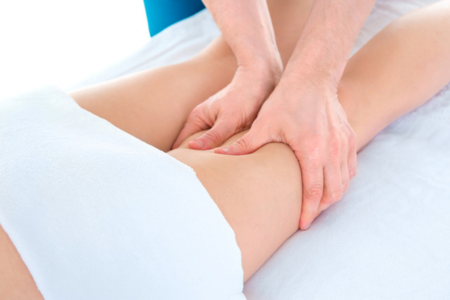
The main way massage is thought to work is through rhythmic pressure and stroking. These actions are intended to help improve blood flow and reduce muscle tension.
Tracking Key Changes for Your Personal Recovery Journey
Pay attention to how your muscle soreness and stiffness feel in the days following a massage session. Note any changes you notice. It’s important to communicate your pain tolerance to Joe.
Observe if there are any differences in your range of motion or how easily you can do your everyday activities. See if movement feels smoother. mentions that for individuals with chronic pain, overly intense massage could potentially worsen pain sensitivity.
Also, notice if any discomfort or limitations you experience show a reduction in how intense they are or how often they occur. suggests there’s a slight possibility that massage could cause a mild “muscle crush” injury, releasing proteins into the bloodstream, though this is uncommon.
Essential Factors for Successful Massage Therapy
Be aware that certain types of massage, like deep tissue work, may have a higher chance of causing side effects. These could include bruising or irritation to nerves. notes that while rare, massage can potentially lead to injuries like bruises or nerve irritation, especially with deep tissue techniques.
Your personal tolerance for the techniques used and the specific condition you are trying to address are important factors in how effective massage might be for you. For individuals with chronic pain, overly intense massage could potentially worsen pain sensitivity.
Assessing Your Readiness for Massage Therapy
Consider how you handle potential mild soreness or discomfort after a massage. This is a common, though usually temporary, side effect that some people experience. notes that some people experience temporary discomfort or a feeling of being unwell after a massage, which is sometimes called post-massage soreness and malaise.
Think about your willingness to talk with healthcare professionals about your symptoms. This includes discussing the potential interactions or risks associated with massage therapy. advises that it’s important for individuals to communicate their pain tolerance to their massage therapist, especially if they have a history of pain.
Assess if the time commitment and cost of massage align with your available resources. Also, consider if you are prepared to manage potential minor setbacks or if you are comfortable with the possibility of not seeing significant changes. states that relying solely on massage for recovery might distract from more appropriate medical care for certain conditions.
Making an Informed Decision About Massage
Research suggests that massage can provide short-term relief for muscle soreness and stiffness. Some studies show lower soreness scores and reduced swelling when massage is applied within hours of exercise. Massage applied within a few hours after eccentric exercise can lower soreness scores and reduce swelling, especially when performed before pain peaks.
You might consider this option if you are looking for a complementary approach for temporary relief. Be prepared for the potential tradeoffs in time, cost, and the possibility of minor side effects. states that the effectiveness and side effects of massage can vary depending on the individual and the specific condition being addressed.