Why Massage Helps Break Down Old Scar Tissue and Adhesions
When you have an old injury, you might wonder if massage can make a difference. Research indicates massage can assist in breaking down scar tissue and improving tissue elasticity, which may benefit longstanding injuries. This is because massage techniques like deep tissue and sports massage target adhesions and collagen buildup, common in old injuries.
Scar tissue forms when the body repairs damaged muscle fibers and connective tissues, but it is less elastic and flexible than normal tissue, which can restrict movement and increase pain over time.
Massage may help break down scar tissue by increasing local tissue temperature, which loosens the collagen fibers that make up scar tissue and allows them to be manipulated more easily.
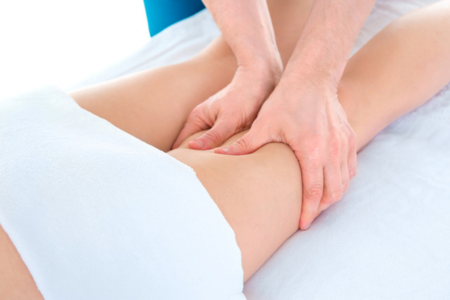
Deep tissue massage applies firm pressure to reach deeper layers of muscle and connective tissue, targeting adhesions and collagen fiber buildup that can form after an old injury. Techniques such as friction and trigger point pressure are used to soften and break down bundles of collagen fibers, which may reduce restriction and relieve pain associated with old scar tissue.
After a car accident, muscle and connective tissue can be stretched beyond normal limits, creating partial tears that heal with adhesions, which may cause chronic aches and reduced mobility even years later. Massage therapy is commonly used to address lingering injuries from car accidents that occurred months or years ago, even when initial pain has subsided but stiffness or discomfort remains.
The Graston Technique uses stainless steel instruments to create controlled microtrauma in soft tissue, which is thought to stimulate blood flow and trigger the body’s natural repair processes. Instrument-assisted techniques like Graston penetrate deeper than traditional massage and are designed to target specific areas of scar tissue and fascial restriction. Traditional massage focuses on broader muscle groups and general relaxation, while instrument-assisted methods are used for more precise treatment of chronic soft tissue dysfunction.
Realigning collagen fibers during massage may help reduce the restrictive quality of scar tissue, though the extent of realignment and its permanence can vary between individuals.
How to Time Massage Safely and Effectively After an Injury
Timing matters. It is most effective when the injury is no longer inflamed or tender, typically after 2-4 weeks post-injury. Massage should typically begin only after active inflammation from an injury has subsided, which may take two to four weeks, and is most appropriate when tissue feels tense rather than tender.
If you have an old injury that has fully healed but still causes stiffness, this approach may be a good fit. For many people, the real question is whether the effort pays off. Evidence shows regular sessions—about 30 minutes, 1-3 times weekly—over several weeks can support functional improvements. This isn’t a quick fix, but a steady approach.
Massage therapy for old injuries typically requires a series of sessions rather than a single treatment, as chronic scar tissue and adhesions take time to respond to manual manipulation.
What Realistic Results Can You Expect from Massage for Old Injuries?
It’s fair to ask what kind of results are realistic. Studies show massage can improve tissue flexibility, decrease pain, and increase range of motion in chronic or old injuries. These are the most commonly reported benefits.
These changes take time to build. Improvements in tissue elasticity and pain relief are often observed after several sessions over weeks. You likely won’t notice a dramatic shift after just one appointment. While the changes can be helpful, they also need support to last. Effects such as increased blood flow and collagen realignment are documented, but long-term durability beyond treatment is less certain. Results tend to plateau after initial improvements, with ongoing benefits depending on continued therapy and activity.
Massage may improve circulation to injured areas, which supports the delivery of oxygen and nutrients needed for tissue repair and may help reduce inflammation over time.
What to Expect During and After Massage Sessions for Old Injuries
Knowing what to expect can make the process feel less uncertain. Initial sessions may produce mild soreness or increased warmth as scar tissue begins to loosen. This is a common and temporary response. Some people may experience mild discomfort or temporary bruising during deeper manual therapies, especially when targeting areas of chronic scar tissue or adhesions.
Patience is part of the process. Progressive improvements in mobility and pain reduction typically occur within 4-8 weeks of regular treatment. Most people experience gradual relief, with stabilization of benefits after several weeks of consistent therapy.
It’s also useful to know when to reassess. Persistent or plateaued results may indicate the need for alternative or adjunctive treatments. If you aren’t seeing changes after a couple of months, it may be time to discuss other options with your provider. The effectiveness of massage for old injuries depends on factors such as the severity of the original trauma, how long ago the injury occurred, and the individual’s overall tissue health and healing capacity.
Is Massage Therapy the Right Complementary Approach for Your Old Injury?
It’s important to keep expectations grounded. Massage is generally used alongside other treatments, not as a sole cure, and outcomes are modest and variable. It works best as part of a broader plan for managing old injuries. Massage is generally used as a complementary approach alongside other treatments such as physical therapy or medical care, rather than as a sole intervention for chronic injury.
A consistent treatment schedule—typically weekly or biweekly sessions over several weeks—is a key factor. Sporadic appointments are less likely to produce lasting change. The skill of the therapist matters too. Use of targeted techniques like deep tissue, friction, or scar tissue breakdown, performed by trained therapists, ensures the work is appropriate for your injury.
Your own actions play a role as well. Patient’s ability to follow post-treatment advice, including activity modifications and stretching, helps maintain the benefits between sessions. Finally, injury stability is important—massage is most effective when inflammation has subsided and tissues are no longer tender.
Before you move forward, consider the commitment. It requires commitment to consistent sessions and realistic expectations about modest, gradual improvements. And remember, it should be used as a complementary approach alongside medical care, not as a sole treatment.