Navigating Your First Massage: Addressing Hesitations and Finding Comfort
You might be thinking about massage therapy because you’re feeling physical discomfort or a limitation that hasn’t fully eased with other methods. Perhaps you’re experiencing uncertainty about how to address certain aches or stiffness.
You may already know that massage therapy can offer more than just relaxation. It can potentially support you in managing pain, improving your emotional well-being, or contributing to your overall health. Massage therapy supports pain relief, emotional wellness, and overall health, with many people seeking it for pain management, injury rehabilitation, migraine control, or general wellness.
It’s also possible you have some hesitations or concerns about massage. Even with these, you might be open to learning how it could be adjusted to fit your specific needs and comfort level.
Adapting Massage to Your Comfort Level
Massage therapy can be adjusted to suit different comfort levels. If direct touch feels uncomfortable, there are techniques like CranioSacral Therapy or acupressure. These often involve gentle holding rather than deep rubbing, which can be a good starting point. Massage therapy can be adapted to meet specific needs, such as offering gentle, non-invasive holding approaches like CranioSacral Therapy or Acupressure for those uncomfortable with direct touch.
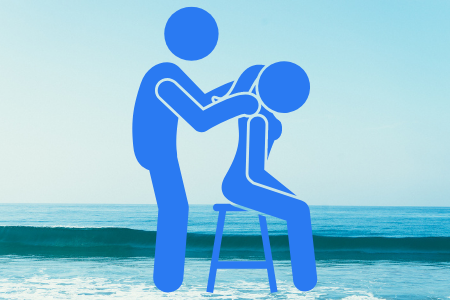
If lying face-down is difficult for you, sessions can be adapted. You can be positioned face-up, side-lying, or in a semi-reclined way. Using things like breast cushions or rolled towels can also help make the experience more comfortable. Massage can still be effective even if lying face-down is uncomfortable or not possible, with therapists able to work in face-up, side-lying, or semi-reclined positions, or offer massage chair sessions.
For areas that are sensitive to touch, like your feet or scalp, there are ways to manage this. Wearing socks, covering areas with a sheet, or using broad hand techniques that press or squeeze instead of poke can help.
CranioSacral holds can also be used to minimize sensitivity. For those with sensitive areas like feet or under the shoulder blade, techniques like wearing socks, covering feet with a sheet, or using broad hand techniques (pressing or squeezing instead of poking) can help minimize sensitivity.
Understanding the Proven Benefits of Massage
Massage therapy is known to support pain relief, emotional wellness, and general health. Many people seek it out specifically for managing pain, helping with injury recovery, controlling migraines, or for overall well-being.
Massage therapy supports pain relief, emotional wellness, and overall health, with many people seeking it for pain management, injury rehabilitation, migraine control, or general wellness.
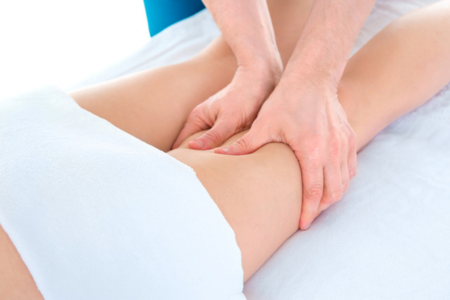
Techniques like Manual Lymphatic Drainage massage can offer several benefits. These include deep relaxation, pain relief, reduced pressure on nerve tissues, and helping to move lymph fluid through the body. Manual Lymphatic Drainage massage offers benefits such as deep relaxation, pain relief, reduced pressure on nerve tissues, and stimulation of lymph flow.
CranioSacral Therapy can help with emotional centering and relaxation. It can also release restrictions in connective tissues, support the neuro-lymphatic system, and assist in processing physical or emotional experiences. CranioSacral Therapy can provide emotional centering, relaxation, release restrictions in connective tissues, support the neuro-lymphatic system, and help process physical or emotional trauma.
It’s worth noting that about one in five people experience pain each year, and one in ten deal with chronic pain. The yearly cost of treating pain is quite high, exceeding that of treating cancer, heart disease, and diabetes combined. One in five people experience pain each year, and one in ten experience chronic pain, with the annual cost of treating pain exceeding that of cancer, heart disease, and diabetes combined.
In fact, 88% of Americans agree that massage is effective in reducing pain. 88% of Americans agree that massage is effective in reducing pain.
What to Expect During Your First Massage Session
If you are uncomfortable with touch, gentle, non-invasive holding techniques like CranioSacral Therapy can offer a calming and therapeutic experience. Some people describe it as feeling like “tiny, comforting hugs.” Massage therapy can be adapted to meet specific needs, such as offering gentle, non-invasive holding approaches like CranioSacral Therapy or Acupressure for those uncomfortable with direct touch.
For those who are sensitive to ticklishness or specific areas, starting touch at the ankles can be helpful. Using broad hand techniques, which involve pressing or squeezing rather than poking, can also help your nervous system anticipate contact and reduce sensitivity. For those with sensitive areas like feet or under the shoulder blade, techniques like wearing socks, covering feet with a sheet, or using broad hand techniques (pressing or squeezing instead of poking) can help minimize sensitivity.
Massage therapy can bring about benefits such as deep relaxation, improved circulation, better sleep, and a boosted mood. It may also help reduce feelings of depression, strengthen your immune system, ease muscle stiffness and pain, and increase flexibility. Massage therapy supports pain relief, emotional wellness, and overall health, with many people seeking it for pain management, injury rehabilitation, migraine control, or general wellness.
Identifying What Works Best for You
You will likely notice a difference in your comfort level with touch if you explore gentler techniques. Trying CranioSacral Therapy or acupressure can show you how these approaches feel. Massage therapy can be adapted to meet specific needs, such as offering gentle, non-invasive holding approaches like CranioSacral Therapy or Acupressure for those uncomfortable with direct touch.
If you experience less muscle stiffness, inflammation, or pain, or find you have increased flexibility, these can be signs that the massage approach is helping with your physical needs. Massage therapy supports pain relief, emotional wellness, and overall health, with many people seeking it for pain management, injury rehabilitation, migraine control, or general wellness.
A feeling of deep relaxation, better sleep, or a more positive mood can serve as evidence of the emotional and mental wellness benefits you might experience. Massage therapy supports pain relief, emotional wellness, and overall health, with many people seeking it for pain management, injury rehabilitation, migraine control, or general wellness.
Key Elements for a Positive Massage Experience
Open communication with your therapist about your comfort, boundaries, and specific needs is key. This helps ensure a tailored and rewarding experience that works for you. Open communication with a massage therapist is important for addressing concerns and ensuring a safe, empowering, and healing experience.
Your willingness to ask for specific techniques or modifications is also important. This could include avoiding certain areas, using cushions, or wearing socks, all of which help the session adapt to your preferences. For those with sensitive areas like feet or under the shoulder blade, techniques like wearing socks, covering feet with a sheet, or using broad hand techniques (pressing or squeezing instead of poking) can help minimize sensitivity.
The therapist’s ability and willingness to accommodate your needs are essential. This might involve using minimal or no oil on the scalp or adjusting pressure, contributing to your comfort and satisfaction. Clients can inform their therapist if they do not want oil or lotion used on their scalp, and therapists can accommodate this preference, for example by starting scalp massage before applying any lotion or oil.
Are You Ready for a Tailored Massage Session?
Are you comfortable talking about your specific needs and boundaries with a therapist? This includes being able to ask for changes to standard practices if needed. Open communication with a massage therapist is important for addressing concerns and ensuring a safe, empowering, and healing experience.
Are you open to trying alternative techniques? If direct touch is a concern, exploring options like CranioSacral Therapy or acupressure might be something you’re willing to consider. Massage therapy can be adapted to meet specific needs, such as offering gentle, non-invasive holding approaches like CranioSacral Therapy or Acupressure for those uncomfortable with direct touch.
Can you clearly explain any physical limitations you have, like difficulty lying face-down or sensitivity in certain areas? Being able to articulate these, along with any sensory sensitivities like ticklishness, helps your therapist adapt the session. Massage can still be effective even if lying face-down is uncomfortable or not possible, with therapists able to work in face-up, side-lying, or semi-reclined positions, or offer massage chair sessions.
Making Your Decision: Is Massage Therapy Right for You?
Massage therapy can be adjusted to help with physical discomfort and emotional wellness. Evidence suggests it’s effective for pain management, with 88% of people agreeing. 88% of Americans agree that massage is effective in reducing pain.
Important factors for a positive experience include talking openly with your therapist about your comfort and specific needs. It also involves being willing to try modifications or different techniques if necessary. Open communication with a massage therapist is important for addressing concerns and ensuring a safe, empowering, and healing experience.
If you are experiencing physical discomfort or seeking emotional wellness benefits, and feel comfortable communicating your needs for a tailored session, exploring massage therapy is a reasonable step to consider. Massage therapy supports pain relief, emotional wellness, and overall health, with many people seeking it for pain management, injury rehabilitation, migraine control, or general wellness.