How Advanced Bodywork Can Help If You’re Stuck in Chronic Tension or Trauma Patterns
If you’ve been carrying tension or stress in your body for months or even years, you might recognize a familiar pattern. Your shoulders stay tight no matter how many stretches you do. Your jaw clenches without you noticing. You startle easily, or you feel numb and disconnected from physical sensations.
These are signs that your nervous system has been stuck in fight-flight or freeze mode. Advanced bodywork targets the internal sensations that keep you locked in these patterns. It works with interoception—your ability to sense what’s happening inside your body—and proprioception, your sense of where your body is in space. By gently directing your attention to these sensations, the work helps your nervous system reset and reduce hyper-arousal.
This approach is especially relevant if you want gentle, body-oriented relief rather than direct trauma confrontation. It avoids intense exposure and focuses on bodily awareness instead. You won’t be asked to relive difficult memories or talk through painful events. The work happens through touch and internal sensing.
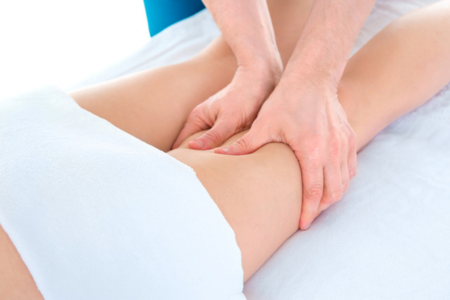
During advanced bodywork, the practitioner begins with a physical evaluation to identify muscular imbalances that may be contributing to pain or restricted movement. It may not be suitable if your discomfort is purely cognitive or if you prefer non-touch methods. Touch and internal sensation focus are central to this approach, so comfort with hands-on work is necessary.
How Advanced Bodywork Fits Into Your Routine and Resources
Advanced bodywork involves regular sessions with a certified practitioner, often scheduled over weeks or months. Sessions typically last around 60 minutes, and frequency is based on your comfort and goals. Most people start with weekly or biweekly appointments.
This work complements existing therapies or medical care. It fits into a flexible, resource-aware schedule because it doesn’t require homework or daily exercises unless your practitioner suggests gentle movement or mindfulness practices between visits. The work itself happens during the session.
The hands-on portion of the session uses alignment methods and manual techniques to address the imbalances identified during the evaluation. Cost and time are predictable. You’ll know the session length and fee upfront, which makes planning easier. Because it’s a resource-focused, non-verbal method, you don’t need to prepare talking points or complete assignments outside appointments.
If your schedule is unpredictable or you have limited access to certified practitioners in your area, this may present a challenge. Consistency matters for this work, so irregular attendance can limit results.
What Research Says About the Effects of Advanced Bodywork—and Their Limits
Research indicates that advanced bodywork can improve somatic awareness, reduce hyper-arousal, and help release tension stored in tissues. These changes support better nervous system regulation and a greater sense of internal resourcefulness.
After the hands-on work, the practitioner may provide stretching and strengthening education to support continued progress between sessions. Noticeable benefits often appear after several sessions. Effects tend to be cumulative, with improvements in internal sensation awareness and nervous system regulation observed over time. You might notice that you sleep better, feel less anxious, or move with more ease.
Commonly reported effects include feeling more relaxed, experiencing reduced pain, sleeping better, and feeling calmer or more content. Effects are not guaranteed to fully resolve all symptoms. Individual history, condition, and how your body responds to touch all play a role. Some people experience significant relief, while others notice smaller shifts or find that the work helps most when combined with other therapies.
This work is not a cure-all. It’s a tool that can support your body’s ability to regulate itself, but it may not address every layer of chronic pain or trauma on its own.
What to Expect During Your First and Ongoing Advanced Bodywork Sessions
Early sessions focus on gentle touch and internal sensation awareness. Your practitioner will guide you to notice what you feel in different areas of your body. The pace is slow and titrated, meaning the work is introduced in small, manageable doses.
Client education for self-care at home is considered an important part of the therapeutic relationship and long-term outcomes. Progress is measured by increased bodily resourcefulness. This means you become better at sensing internal cues and responding to them in a calm, grounded way. Changes typically develop gradually over multiple sessions, with some people noticing shifts after three or four visits.
Progress involves enhanced ability to sense internal cues and a reduction in hyper-arousal—not immediate symptom relief. You might feel more present in your body or notice that certain areas feel less tight. These are signs that your nervous system is beginning to reset.
Plateaus or slower progress are normal. Sustained improvements depend on continued practice and integration. If you stop attending sessions before the work has had time to build, you may not experience the full benefit.
How to Know If Advanced Bodywork Is Working for You
Look for increased awareness of internal sensations, calmer nervous system responses, and reduced tension in tissues. These are the primary indicators that the work is taking hold.
Signs of progress include better sleep, less anxiety, and improved movement or posture. You might also notice that you’re less reactive to stress or that you can sense when your body needs rest or movement. These changes reflect a more regulated nervous system.
Absence of change after several sessions may suggest the approach isn’t aligning with your needs—or that additional therapies are needed. Not every method works for every person, and that’s okay. If you’ve attended consistently for six to eight sessions and notice no shift, it’s reasonable to reassess.
Measurable outcomes include subjective reports of internal resourcefulness as well as objective assessments of tension or mobility. Your practitioner may ask how you’re feeling or observe changes in how you hold your body.
The Key Factors That Make Advanced Bodywork Effective
Consistent, scheduled sessions with a trained, certified practitioner experienced in advanced somatic techniques are necessary. The skill and training of your practitioner matter. Look for someone with credentials in structural integration or other recognized bodywork modalities.
Openness to internal sensation focus and comfort with hands-on touch are required. If you’re not ready for touch or find it difficult to tune into bodily sensations, this work may feel uncomfortable or ineffective.
Engagement in self-awareness practices between sessions—such as gentle movement or mindfulness, if recommended—can support the process. Your practitioner may suggest simple practices to help you stay connected to the changes happening in your body.
A clear understanding that progress is gradual and cumulative, not immediate, sets realistic expectations. This work unfolds over time—not in a single session—and is considered an important part of long-term outcomes for continued progress.
Are You Ready to Commit to the Advanced Bodywork Protocol?
Regular attendance and openness to internal sensation awareness are key for measurable change. Missing sessions or approaching the work with skepticism can limit what you gain from it.
It requires a commitment to ongoing sessions over several weeks or months, depending on your goals. A typical protocol might involve eight to twelve sessions, though some people continue longer.
The therapeutic relationship and client education for self-care at home play a significant role in effectiveness. Comfort with hands-on touch—and trust in the practitioner’s skill—are necessary for safety and results. If you don’t feel safe or comfortable with your practitioner, the work won’t be as beneficial. It’s okay to seek a different practitioner if the fit isn’t right.
Discontinuing prematurely may limit potential benefits, but stopping is appropriate if no change occurs after a reasonable trial period—you’re not obligated to continue if the work isn’t serving you.
Is Advanced Bodywork the Right Choice for You?
With consistent sessions—such as 60 minutes weekly or biweekly over eight to twelve weeks—improvements in internal sensation awareness and nervous system regulation are likely. Expect gradual progress, with noticeable changes often after three or four sessions and cumulative benefits over time.
Success depends on regular attendance, comfort with touch, and engagement in self-awareness practices between sessions. If you’re willing to commit to this protocol and have access to a qualified practitioner, it can be a meaningful resource for managing chronic tension and trauma patterns.
This work fits best as a complementary practice alongside conventional therapy, exercise, or medical care—particularly when those approaches haven’t fully resolved somatic symptoms. It’s not a replacement for other treatments but can fill a gap that talk therapy or medication alone may not address.
If your body has been holding tension or stress for a long time—and you’re ready to explore a gentle, body-oriented method—advanced bodywork offers a way forward. It won’t solve everything, but it can help you reconnect with your body and find more ease in how you move and feel.